

Securing funding for modern security upgrades is one of the most impactful steps a school district or nonprofit organization can take, and federal grant programs exist specifically to make it possible. This three-part series breaks down everything you need to know, from understanding which programs you qualify for, to building a strong application, to implementing your security solutions after an award. Whether you are just starting to explore your options or preparing to apply in the next cycle, each installment offers practical guidance you can act on. Follow along as we publish each part to stay current on grant opportunities, preparation strategies, and how Elliott Data Systems supports organizations through the process.
Part 3 of 3 | Published: April 28, 2026 | Series Last Updated: May 12, 2026
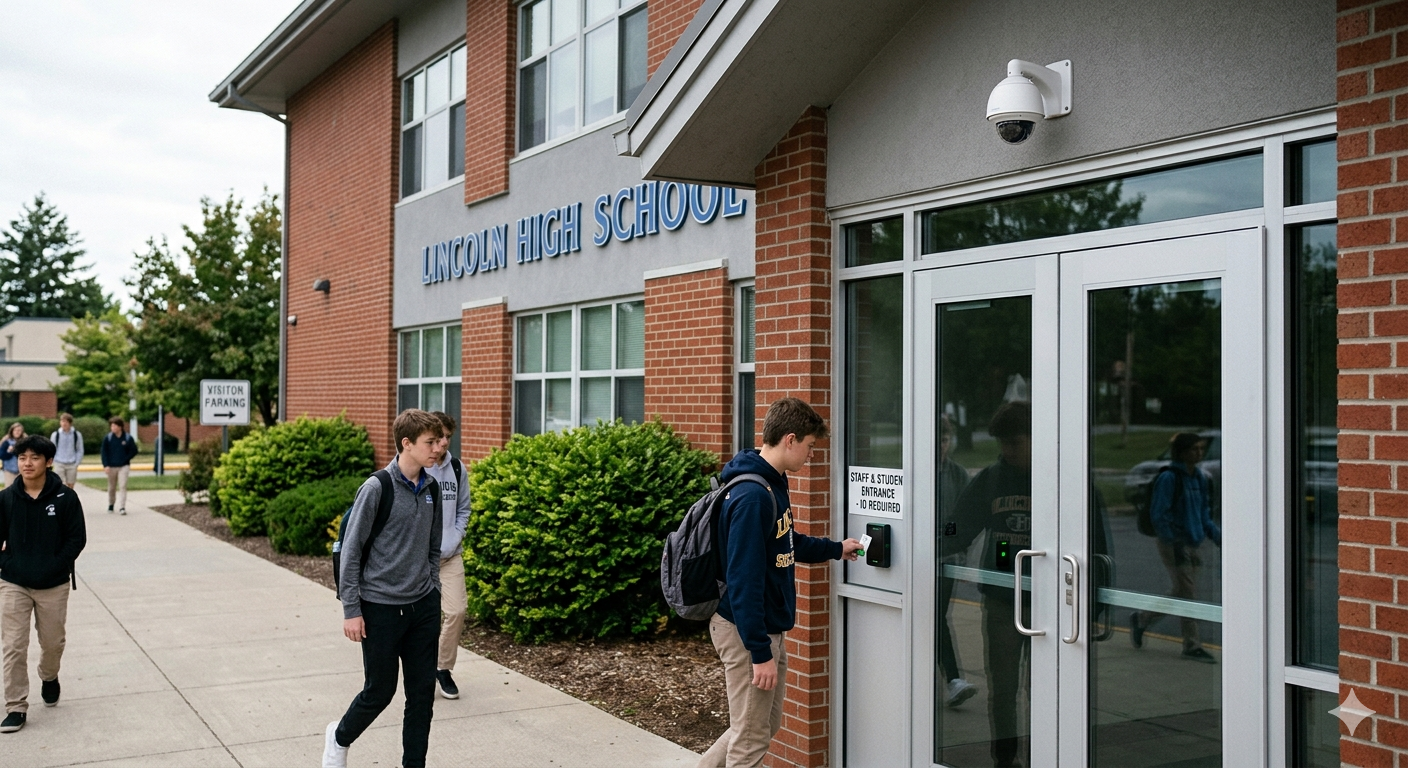
School Security Grants: How K-12 Schools and Nonprofits Can Fund Access Control and Video Surveillance
This post covers how K-12 public schools and nonprofit organizations can access federal grant funding for security upgrades. You will learn what the COPS School Violence Prevention Program and FEMA Nonprofit Security Grant Program fund, who qualifies, how to prepare a strong application, and how Elliott Data Systems supports your organization through the process.
Ensuring the safety of students, staff, and visitors is a top priority for K-12 schools and nonprofit organizations. For many, the barrier is not intention but budget. Modern security upgrades like access control systems, video surveillance, and concealed weapons detection represent meaningful investments, and navigating the school safety funding options to make them a reality can feel overwhelming without the right guidance.
The good news is that federal grant programs exist specifically to help school districts and nonprofits fund these improvements, and they are recurring annual opportunities. Whether you are preparing for an upcoming application cycle or using this as a starting point for next year, understanding how these grant programs work and what preparation looks like is the most valuable thing you can do right now. This blog is the first in a three-part series focused on helping K-12 schools and nonprofit organizations access the school security grants available to them and build the security infrastructure their communities deserve.
What Are School Security Grants?
School security grants are financial awards provided by government agencies to fund the purchase and implementation of security technologies and programs aimed at improving school safety and physical security at school grounds and nonprofit facilities. Most school safety grants of this type do not need to be repaid, making them one of the most effective forms of financial support available to organizations with limited budgets. Investing in a school security grant program is one of the most impactful decisions a school district or nonprofit can make when it comes to protecting students, staff, and the broader school community.
Federal school safety funding primarily comes from two grant programs: the COPS School Violence Prevention Program (SVPP), administered by the U.S. Department of Justice, and the Nonprofit Security Grant Program (NSGP), administered through the Federal Emergency Management Agency (FEMA) within the U.S. Department of Homeland Security. These programs represent recurring annual funding opportunities, and while grant funding levels can shift from year to year, both grant programs have remained in place consistently and continue to provide meaningful school safety funding to eligible organizations. State and local governments, along with state, local, tribal, and territorial governments more broadly, play an important role in how these programs are administered and distributed.
COPS School Violence Prevention Program (SVPP)
The COPS School Violence Prevention Program is a competitive grant program designed specifically for K-12 public schools. Administered through the DOJ’s Office of Community Oriented Policing Services, the School Violence Prevention Program provides direct grant funding to states, units of local government, Indian tribes, and their public agencies to improve security at schools and on school grounds through evidence-based school safety programs and technology. The program is grounded in the STOP School Violence Act of 2018, which gave the COPS Office authority to provide awards directly to state and local governments and tribal nations to improve school security.
Awards from this competitive grant program cover up to 75 percent of allowable project costs, with a maximum federal share of up to $500,000 per award over a 36-month period of performance. A local cash match of at least 25 percent is required for standard awards. For rural, tribal, and lower-resourced school districts, a microgrant tier is available with awards up to $100,000 and the match requirement waived, which is a meaningful option for smaller school districts in our territory. Applications are typically announced and accepted in the spring each year. School safety grants under this program are highly competitive, with significant grant funding available across approximately 200 anticipated awards in a recent program year.
Most school safety grants under this program require school officials to demonstrate that proposed school safety strategies reflect consultation with a broad school community, including students, parents, teachers, school personnel, and local law enforcement. The SVPP also supports a range of school safety measures beyond physical security enhancements, including training for school resource officers and local law enforcement officers, development of threat assessment teams, anonymous reporting systems, and early intervention programs. While these program-funded activities extend beyond what we provide as a security solutions company, understanding the full scope of what the grant program funds helps school officials build a more comprehensive school safety plan and a stronger grant application.
Private schools and nonprofits are not eligible under the COPS SVPP. Those organizations should look to the FEMA Nonprofit Security Grant Program, covered in Part 2 of this series.
FEMA Nonprofit Security Grant Program (NSGP)
The Federal Emergency Management Agency’s Nonprofit Security Grant Program is the primary school security grant available to nonprofit 501(c)(3) organizations including private schools, churches, hospitals, and charitable organizations. Administered by FEMA within the U.S. Department of Homeland Security, the Nonprofit Security Grant Program provides grant funding for physical security enhancements and other security-related activities to nonprofit organizations that can demonstrate they face an elevated risk of a terrorist or extremist attack.
It is worth noting that overall Nonprofit Security Grant Program funding decreased from approximately $454.5 million in FY2024 to $274.5 million in FY2025. The program remains a significant source of school safety funding and security funding for nonprofits broadly, but the reduction in grant funding reinforces the importance of submitting a well-prepared, competitive application rather than assuming the grant program will accommodate all applicants.
The Nonprofit Security Grant Program is structured into two grant funding streams: NSGP-Urban Area for nonprofit organizations located within a federally designated high-risk urban area, and NSGP-State for nonprofit organizations located outside those areas. State, local, tribal, and territorial governments play a role in how this grant program is administered, with the Federal Emergency Management Agency distributing funds through each state’s designated State Administrative Agency. Organizations may request up to $200,000 per site for up to three sites, for a maximum of $600,000 per organization per state. Critically, nonprofits do not apply directly to the Federal Emergency Management Agency. Applications are submitted through each state’s State Administrative Agency, and each SAA sets its own internal deadline, which may be earlier than the federal deadline. Contacting your SAA early in the cycle is essential for nonprofit organizations pursuing this grant program. Allowable expenses under the Nonprofit Security Grant Program include physical security upgrades such as access control systems, video surveillance, and target hardening improvements to property owned or leased by the organization.
Who Qualifies for School Security Grants?
Understanding eligibility is the first step for any school official or nonprofit administrator researching school safety grants. The two primary federal grant programs serve different audiences, so knowing which program applies to your organization will shape your entire preparation strategy.
COPS SVPP Eligibility for School Districts
The COPS School Violence Prevention Program is available to public school districts, units of local government, Indian tribes, and their public agencies. It is designed for K-12 public schools only. Charter schools that operate as public entities may also be eligible depending on their legal structure. Higher education institutions and private schools do not qualify under this competitive grant program. Local government agencies and local educational agencies that serve K-12 public school students are the primary applicant pool.
FEMA NSGP Eligibility for Nonprofit Organizations
The Federal Emergency Management Agency’s Nonprofit Security Grant Program is open to organizations described under section 501(c)(3) of the Internal Revenue Code that are exempt from tax under section 501(a). Eligible organizations include private schools, churches, hospitals, charitable organizations, and other qualifying nonprofits that can demonstrate they are at elevated risk. For-profit entities and organizations that do not meet the 501(c)(3) definition are not eligible. The Department of Homeland Security and the Federal Emergency Management Agency administer this grant program with attention to documented risk, so a strong vulnerability assessment is essential to a competitive application.
What Security Upgrades Do School Security Grants Fund?
 Both grant programs support a range of physical security enhancements. For K-12 school districts applying through the COPS SVPP, eligible security technologies and upgrades include access control systems such as electronic door locks, card readers, and credential-based entry; video surveillance systems covering entrances, hallways, and key areas of school grounds; concealed weapons detection technologies; visitor management systems; locks, lighting, and other physical deterrents; and emergency communication systems for expedited notification of local law enforcement. The grant program also funds training for school resource officers and school safety officers, threat assessment training, and coordination with local law enforcement to strengthen overall school safety strategies.
For nonprofit organizations applying through the Federal Emergency Management Agency’s Nonprofit Security Grant Program, allowable costs include contracted security personnel, security-related planning, exercises, and safety training, and the acquisition and installation of security equipment on property owned or leased by the organization. Both grant programs favor applications that take a comprehensive, integrated approach to physical security rather than requesting a single standalone product. School officials should structure their proposed security upgrades as a connected system wherever possible, as this approach more clearly demonstrates a meaningful improvement to school security.
Planning Security Upgrades Before Applying
The single most common reason strong organizations receive weak grant outcomes is applying before they have a clear security plan in place. Grant program reviewers want to see that a school district or nonprofit has assessed its vulnerabilities, identified specific gaps, and proposed upgrades that directly address those gaps. A proposal built around a real, documented security plan is a fundamentally stronger application than one assembled quickly around available products.
Conducting a Facility Security Assessment
Before drafting any grant application, your organization should conduct a facility security assessment that evaluates current access control systems, video surveillance coverage, visitor management systems, and other physical security measures across your school grounds or facility. This assessment identifies your vulnerabilities and creates the factual foundation for your grant narrative. It also helps school officials prioritize which physical security enhancements will have the greatest impact and align most clearly with the grant program’s objectives. Most school safety grants require some form of documented vulnerability assessment as part of the application package.
Aligning Proposed Solutions to Grant Requirements
Both the School Violence Prevention Program and the Nonprofit Security Grant Program require applicants to demonstrate that proposed security technologies align with the program’s specific eligible purposes. This means describing not just what you want to purchase, but how it will improve school safety, how it integrates with existing security infrastructure, and how it supports a comprehensive approach to school violence prevention. Solutions that combine access control systems, video surveillance, and identification systems as an integrated platform are generally stronger candidates for school safety grants than requests for disconnected products.
School districts should also consider how their proposed security upgrades connect to broader school safety strategies, including coordination with local law enforcement and support for a positive school climate. The COPS SVPP program specifically requires applications to reflect a comprehensive approach to school safety, and grant proposals that address both physical security and broader school community considerations are reviewed more favorably.
Preparing Documentation and Budgeting Early
Accurate, itemized budgets are essential to any school security grant application. Applications should include detailed quotes, product specifications, and documentation that supports every line item. Budget forecasting should account for hardware costs, installation, safety training, and ongoing maintenance. Vague or unsupported budget requests are one of the most common reasons grant applications are delayed or denied. School officials who begin this documentation process early are far better positioned when the application window opens.
Both grant programs also require active registration in the System for Award Management (SAM.gov). This registration process can take four or more weeks to complete, so school districts and nonprofit organizations that have not registered, or whose registration has lapsed, need to address this well ahead of any application deadline. Most school safety grants at the federal level have this requirement, and a lapsed registration can prevent an otherwise strong application from being submitted on time.
How Elliott Data Systems Supports the Grant Process
We have supported many schools and other organizations through the grant process by serving as a local resource for complementary security solution analysis and application documentation support. Our representatives perform on-site security walk-throughs at local schools and nonprofit organizations to discuss their challenges, needs, and goals. Our team brings many years of experience and expertise to each engagement, designing a best-fit solution based on each client’s unique needs, sharing best practices, and drawing on a thorough understanding of the latest technology available to implement a long-term solution utilizing the technology, features, and integrations that fit each organization’s environment. At no cost, schools and nonprofits receive the necessary product descriptions, detailed quotes, and technical specifications from our team that form the backbone of a credible, well-supported school security grant application.
Partnering With Grant Preparation Specialists for Greater Grant Support
We connect clients with experienced grant preparation specialists when they want to benefit from professionals who have mastered the nuances of the grant application process. Organizations can engage these specialists for consultation services to answer questions and share tips for greater success, or for full-service, end-to-end application management that consistently leads to stronger outcomes for clients. For school officials and nonprofit administrators who do not have internal staff experienced in navigating federal school safety grant applications, this support can be the difference between a submitted application and a missed funding opportunity.
We have previously hosted webinars specifically focused on the COPS SVPP grant for K-12 public school districts and the FEMA Nonprofit Security Grant Program for nonprofit organizations including private schools, churches, and charitable organizations. These webinars walk through how each grant program is structured, what reviewers look for, and how to approach the application with confidence. You can access our on-demand webinar library and watch them at your own pace as you begin your school safety planning.
What We Provide to Support Your Application
When you work with us during a grant cycle, we provide itemized product quotes formatted to meet grant documentation standards, detailed hardware and software specifications, integration documentation showing how proposed security technologies work together as a system, and technical information aligned to the eligible expense categories outlined in the grant program’s notice of funding. This documentation supports both the budget section and the narrative of your application, giving grant program reviewers a clear, credible picture of what you are proposing and why it meets the requirements for school security grant funding.
Timing and Next Steps for School Security Grants
School security grant announcements for both the COPS School Violence Prevention Program and the Federal Emergency Management Agency’s Nonprofit Security Grant Program typically occur in the spring each year. If the current cycle has passed by the time you are reading this, the right move is to treat this moment as the start of your preparation for the next cycle. School districts and nonprofit organizations that begin their security planning, documentation, and vendor conversations well before an application window opens are consistently better positioned than those who begin once the notice of funding is released.
What School Officials Should Do Right Now
Start by scheduling a security assessment so you have a documented baseline of your current vulnerabilities and physical security gaps. Begin gathering facility plans, incident histories, and any prior security audit results that could strengthen your school safety grant narrative. Confirm that your SAM.gov registration is active, or initiate the process if it is not. If you are a nonprofit organization pursuing the Nonprofit Security Grant Program, reach out to your State Administrative Agency to understand your state’s internal application deadlines, which may be earlier than the Federal Emergency Management Agency’s published date. And connect with our team early so we can provide the quotes and documentation you will need in time for your submission.
Schedule a Discovery Call
If you are not sure where to start, a 15-minute discovery call with our team is a practical first step. We can help you understand which school security grant program your organization may qualify for, which security technologies are most likely to align with grant requirements, and how to get connected with grant preparation support for your application. Reach us at 888-345-8511 or email identity@elliottdata.com.
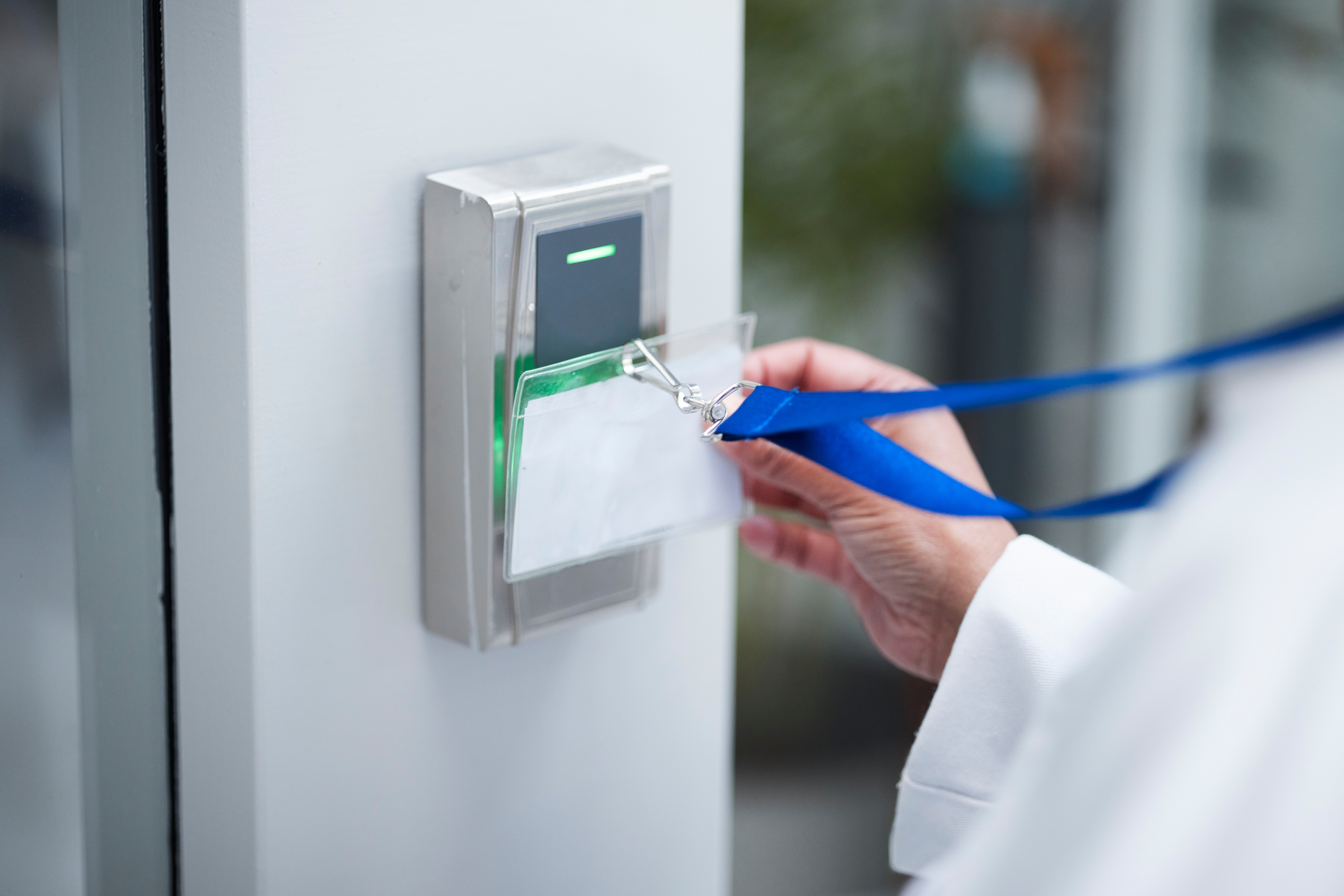
Nonprofit Security Grant Program: Funding Physical Security for Nonprofit Organizations
This post is a deep dive into the FEMA Nonprofit Security Grant Program (NSGP) for 501(c)(3) organizations including private schools, churches, hospitals, and charitable organizations. You will learn how the program works, what security upgrades it funds, how the application process is structured, and how Elliott Data Systems can help you submit a competitive application for the current or upcoming grant cycle.
Nonprofit organizations face real challenges when it comes to funding modern physical security upgrades. Budget constraints and administrative complexity make it difficult for many private schools, churches, hospitals, and charitable organizations to implement the access control systems, video surveillance, and facility hardening measures their communities need. The Nonprofit Security Grant Program (NSGP) exists specifically to address that gap.
This is Part 2 of our three-part series on grant funding for security upgrades. Where Part 1 focused on the COPS School Violence Prevention Program for K-12 public schools, this post walks through how the NSGP security grant program works, which nonprofit organizations are eligible, what security upgrades qualify, and how to approach the application process with confidence. If you missed a recent application cycle, this content is just as useful as preparation for the next one.
What Is the Nonprofit Security Grant Program (NSGP)?
The Nonprofit Security Grant Program is a federally funded, nationally competitive grant program administered by the Federal Emergency Management Agency (FEMA) within the U.S. Department of Homeland Security. It provides grant funding support for target hardening and other physical security enhancements and activities to nonprofit organizations that are at high risk of a terrorist or other extremist attack. The program is part of a broader set of homeland security preparedness measures authorized by Congress to strengthen communities against potential threats.
A core goal of the NSGP is to integrate the preparedness activities of nonprofit organizations with broader state and local preparedness efforts. This means NSGP funding is not just about purchasing security equipment; it is about connecting nonprofit security planning with the emergency management infrastructure already in place at the state and local level. NSGP-funded projects are designed to coordinate and collaborate with public and private community representatives, including local government agencies and emergency management partners.
FEMA's Role in Administering the NSGP
FEMA establishes the NSGP funding levels, eligibility criteria, and program guidelines each fiscal year through a Notice of Funding Opportunity (NOFO). While FEMA administers the security grant program at the federal level, eligible nonprofit organizations cannot apply to FEMA directly. The State Administrative Agency (SAA) is the only entity eligible to apply for NSGP funds on behalf of nonprofit organizations. Each state's SAA manages its own internal application process, sets its own deadlines, and may require additional documentation beyond what the federal program requires. This means the first step for any nonprofit organization interested in NSGP funding is identifying and contacting their SAA, not going to FEMA.gov.
Eligible Nonprofit Organizations
Eligible applicants under the Nonprofit Security Grant Program are organizations described under section 501(c)(3) of the Internal Revenue Code of 1986 and exempt from tax under section 501(a) of such code. This includes a broad range of nonprofit organizations such as religious institutions, private schools, hospitals, and charitable organizations. Notably, churches, mosques, and synagogues are automatically exempt under section 501(c)(3) and are not required to show formal IRS recognition of exemption to apply.
To qualify, eligible nonprofit organizations must demonstrate through the application that they are at risk of a terrorist or other extremist attack, often due to their ideology, beliefs, or mission. The organization must also be fully operational out of the facility listed in the application at the time of submission, and must utilize any NSGP funding for security-related activities on property they own or lease. For-profit entities, homeowner associations, labor unions, and similar organizations are not eligible applicants.
One practical note for organizations that have never applied before: first-time applicants receive bonus points added to their application score under the program's competitive review process. That scoring advantage is a meaningful reason for eligible nonprofit organizations that have been waiting to apply to pursue the current or upcoming cycle.
Two Funding Streams: NSGP-UA and NSGP-S
The Nonprofit Security Grant Program is divided into two funding streams. NSGP-Urban Area (NSGP-UA) provides NSGP funding to nonprofit organizations located within a federally designated high-risk urban area. NSGP-State (NSGP-S) provides funding to nonprofit organizations located outside those designated urban areas. Eligible nonprofit organizations must identify which funding stream applies to their facility's physical address before submitting through their SAA. It is important to note that traditional city limits do not always match the designated urban area footprint, so organizations should confirm their funding stream eligibility with their SAA rather than assuming based on location alone. Applications submitted to the incorrect funding stream will not be considered.
In a recent fiscal year, total NSGP funding was $274.5 million, split evenly between the two streams. Nonprofit organization subapplicants with one site may apply for up to $200,000 for that site. For organizations with multiple sites, applications may be submitted for up to three sites per funding stream, for a maximum of $600,000 per nonprofit organization per state.
What Security Upgrades Does the NSGP Fund?
The Nonprofit Security Grant Program provides funding for physical security enhancements and security-related activities that directly address the vulnerabilities identified in a nonprofit organization's facility assessment. Allowable costs under the program include the purchase and installation of security equipment on property owned or leased by the nonprofit, contracted security personnel under specific conditions, security-related training and exercises, and planning activities that support broader nonprofit preparedness goals. NSGP funds may not be used for pre-award costs, and all funded projects must be fully completed within the period of performance.
Access Control Systems
Access control systems are among the most commonly funded physical security enhancements under the NSGP security grant program. These systems regulate entry to facilities by ensuring that only authorized individuals can access specific areas, reducing unauthorized access risk and improving overall physical security. Eligible solutions include electronic locks, card readers, mobile credential systems, and biometric readers. For nonprofit organizations managing multiple locations or high-traffic entry points, integrated access control platforms that provide centralized management and detailed audit trails are particularly well suited to NSGP grant applications.
Video Surveillance Systems
Video surveillance is another frequently funded security upgrade for nonprofit organizations applying through this grant program. Modern security camera systems provide continuous monitoring of entry points, parking areas, and interior spaces, and integrate directly with access control systems to create a more complete picture of activity across a facility. High-definition cameras, remote monitoring capabilities, and analytics features all align well with NSGP funding priorities. Proposed video surveillance projects should be clearly tied to vulnerabilities identified in the organization's vulnerability assessment rather than presented as standalone purchases.
Concealed Weapons Detection Technologies
For nonprofit organizations that manage high-traffic public entry points, such as houses of worship, hospitals, or private schools with large gatherings, concealed weapons detection technology is an increasingly relevant and NSGP-eligible security upgrade. These systems help identify potential threats at facility entry points and can be integrated with access control and video surveillance as part of a layered physical security approach. Applications that demonstrate a comprehensive, integrated security strategy tend to score more favorably in the competitive review process.
Target Hardening and Facility Security Improvements
Beyond technology systems, NSGP funding supports target hardening measures that physically reinforce a facility against unauthorized access or attack. This can include reinforced doors and locks, security fencing, barriers, and related structural improvements. These investments should be grounded in the organization's vulnerability assessment and tied to specific identified risks, not requested as general improvements.
The NSGP Application Process

Applying for the Nonprofit Security Grant Program requires careful preparation and precise documentation. The application is submitted to the SAA, not directly to FEMA, and each state's SAA may have its own requirements and deadlines layered on top of the federal program guidelines. Understanding the components of a complete application package is essential before the NOFO for a given fiscal year is released.
The Vulnerability Assessment
The vulnerability assessment is the foundation of any NSGP application. Each eligible nonprofit organization must conduct an organizational vulnerability assessment specific to the facility for which funding is requested, and include it in the application package. The vulnerability assessment identifies physical security deficiencies and validates that the proposed projects and security enhancements directly address those gaps. FEMA recommends updating assessments every five years or after significant renovations or changes to the facility. A vulnerability assessment conducted by a state or local law enforcement agency, an outside contractor, or through FEMA's Cybersecurity and Infrastructure Security Agency (CISA) self-assessment tool are all acceptable formats, though organizations should verify their SAA's specific requirements. For houses of worship, CISA offers a free facility security self-assessment tool at cisa.gov/house-of-worship.
The Investment Justification
The Investment Justification (IJ) is the primary federal application form for the NSGP security grant program. Each eligible nonprofit organization must complete a formal IJ that addresses the investments proposed for funding, grounded in the findings of the vulnerability assessment conducted for that facility. The IJ must be the current fiscal year's version, as prior year templates are not accepted. Only one IJ may be submitted per physical site, and each site must have its own unique address and be operational at time of application. The IJ is the only document submitted to FEMA by the SAA, so it must be thorough, accurate, and self-contained. Reviewers cannot consider supplemental documents that are not part of the IJ itself.
The Mission Statement and Supporting Documentation
In addition to the vulnerability assessment and Investment Justification, eligible nonprofit organizations must include a Mission Statement as part of their application package. The Mission Statement, along with any mission implementing policies or practices, helps reviewers understand the organization's core purpose and assess how that purpose may elevate its risk profile. Beyond these core documents, SAAs may require additional supporting documentation as part of their state-specific application process. Organizations should review their SAA's requirements carefully and plan accordingly.
Unique Entity Identifier and Registration Requirements
Nonprofit organizations do not need a Unique Entity Identifier (UEI) at the time of application, but must have a valid UEI registered through SAM.gov to receive a subaward from the SAA if selected for funding. Given that the registration process can take several weeks, organizations that do not already have a UEI should initiate this process early in their preparation timeline rather than waiting until after an award is anticipated.
Environmental and Historic Preservation Compliance
All NSGP-funded projects have an Environmental and Historic Preservation (EHP) hold placed on the award after selection. Nonprofit organizations may not begin any funded activities until EHP compliance has been documented and the hold is lifted. For projects involving renovation, construction, or modification of existing buildings, this review can add time to the implementation timeline. Organizations should factor this into their planning, particularly if their facility is a historical institution or involves any structural work.
How Elliott Data Systems Supports the Grant Process
Our role in the NSGP application process is practical and specific. As a physical security solutions provider, we supply the detailed product quotes, hardware and software specifications, and integration documentation that form the technical backbone of a well-supported application. Grant reviewers need to see precisely what is being proposed, what it costs, and how it addresses the vulnerabilities identified in the assessment. We provide that documentation in a format aligned to NSGP funding requirements.
Connecting Nonprofit Organizations With Grant Preparation Support
For nonprofit organizations that do not have internal staff experienced in navigating the federal grant application process, we connect our customers with dedicated grant preparation specialists who can support them through the process. Organizations can engage that support at the level that fits their needs, whether that is consultation services to answer questions, review eligibility, and share tips for a stronger submission, or full-service, end-to-end application management that takes the process off your team's plate entirely. This support covers completion of the Investment Justification, organization of required supporting documentation, and ensuring the application meets all applicable requirements outlined in the program's NOFO.
We have previously hosted webinars focused specifically on the NSGP security grant program for nonprofit organizations including private schools, churches, hospitals, and charitable organizations. These webinars walk through how the program is structured, what the application process requires, and how to approach the Investment Justification with a competitive, well-documented proposal. Our on-demand webinar library is available at elliottdata.com/on-demand-webinar so you can access this guidance at any point in your preparation process.
What We Provide to Strengthen Your Application
When working with us during a grant cycle, nonprofit organizations receive itemized vendor quotes formatted to NSGP documentation standards, detailed product specifications for all proposed security equipment, and integration plans showing how access control systems, video surveillance, and other physical security enhancements work together as a unified solution. This documentation directly supports the proposed projects section of the Investment Justification and helps demonstrate that the security enhancements requested are both feasible and effective at reducing the identified risks.
Preparing for the Next NSGP Cycle
The Nonprofit Security Grant Program is announced annually, typically in the spring, with state-level deadlines set by each SAA that may fall earlier in the calendar year. If the current funding opportunity has passed by the time you are reading this, the right move is to begin preparation now for the next cycle. Organizations that treat the period between cycles as active preparation time, rather than waiting for the next announcement, consistently submit stronger applications.
Steps to Take Right Now
Start by scheduling a facility security assessment if one has not been conducted recently, or review your existing vulnerability assessment to determine whether it needs to be updated. Identify your state's SAA and contact them to understand their application timeline and any state-specific requirements. Begin gathering your organization's Mission Statement and any documentation of threats or incidents that support a high-risk designation. And connect with our team early so we can provide the vendor quotes and technical specifications you will need before your SAA's deadline.
To schedule a 15-minute discovery call or request a demo, reach us at 888-345-8511 or email identity@elliottdata.com. For a step-by-step guide to budgeting, documentation, and the full application process applicable to both schools and nonprofits, see Part 3 of this series.
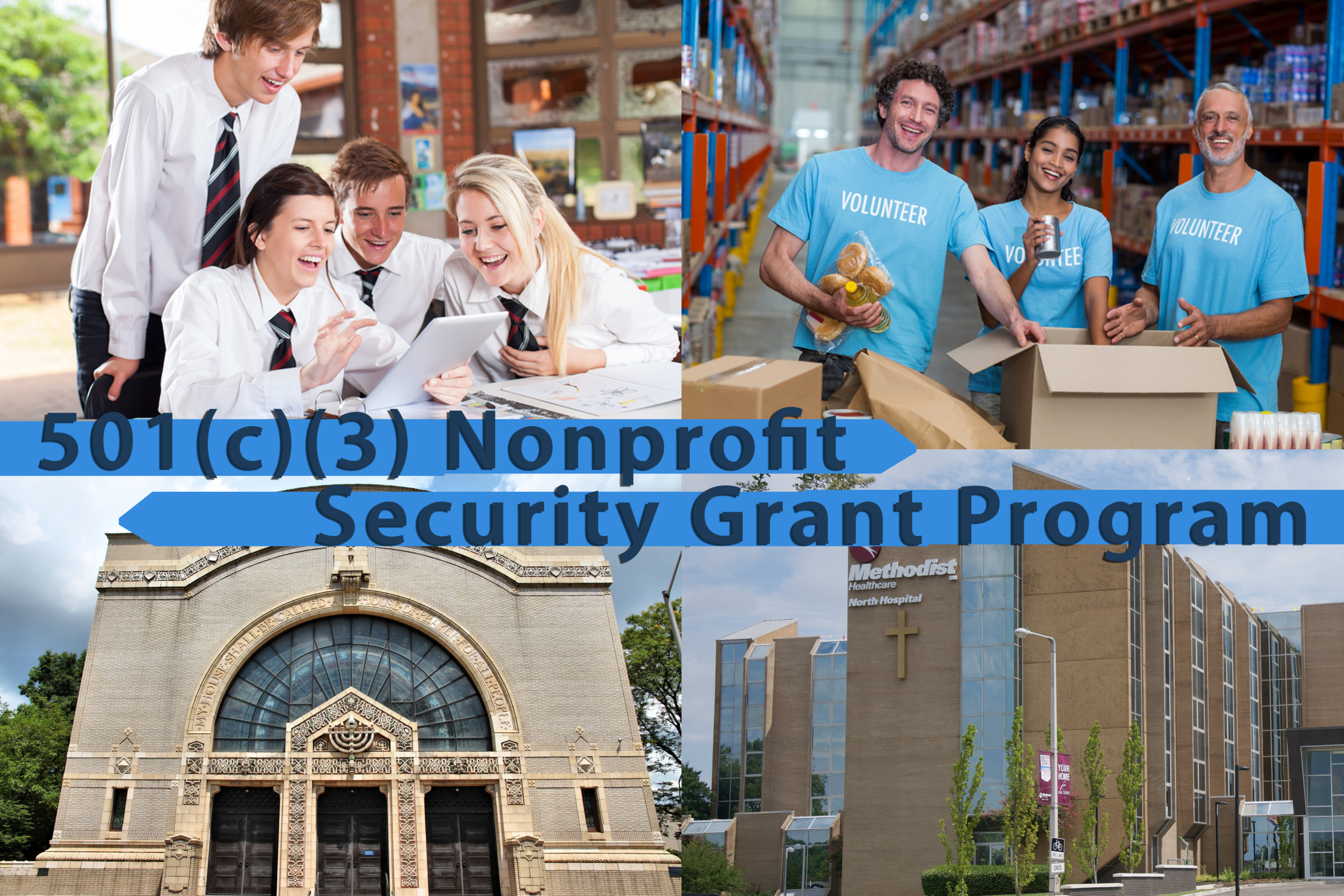
How to Apply for Security Grants: A Step-by-Step Guide for Schools and Nonprofits
This post is a practical, step-by-step walkthrough of the security grant application process for both K-12 public schools and nonprofit organizations. You will learn how to identify the right grant program for your organization, conduct a security needs assessment, develop a security upgrade plan, prepare your documentation, and partner with experts to improve your chances of funding. It also covers what happens after an award is made, including installation, compliance reporting, and how to position your organization for future grant cycles.
Securing funding for physical security upgrades is a meaningful but manageable process when you understand how the grant landscape is structured and what strong applications look like. Federal and state security grants provide hundreds of millions of dollars each year to schools, nonprofits, and local governments to fund access control systems, video surveillance, facility hardening, and related security improvements. Whether you are preparing for an upcoming application cycle or building your foundation for the next one, this guide walks through each step from identifying the right grant programs to implementing your security solutions after an award.
This is Part 3 of our three-part series on security grant funding. Part 1 focused on the COPS School Violence Prevention Program for K-12 public schools. Part 2 covered the FEMA Nonprofit Security Grant Program for nonprofit organizations. This installment brings both audiences together with a practical, step-by-step walkthrough of the grant application process.
Elliott Data Systems can connect eligible schools and nonprofit organizations with professional grant support for consultation or full-service application management. Learn more about our Professional Grant Service.
Step 1: Identify the Right Grant Programs for Your Organization
The first step in the grant application process is identifying which security grants align with your organization’s type, location, and security needs. Different programs serve different audiences, and applying to the wrong program or the wrong funding stream wastes time and reduces your chances of success. Understanding the primary federal programs and relevant state-level funding opportunities early allows you to target your preparation and track fiscal year deadlines accurately.
COPS School Violence Prevention Program
The COPS School Violence Prevention Program is a recurring annual federal grant primarily for K-12 public schools. Administered by the U.S. Department of Justice, it supports funding for physical security enhancements including access control systems, video surveillance, concealed weapons detection technologies, and measures to prevent targeted violence on school grounds. Because this is a competitive grant program that recurs on an annual fiscal year cycle, early preparation is essential. For a full overview of this program’s eligibility and funding structure, see Part 1 of this series.
FEMA Nonprofit Security Grant Program
The FEMA Nonprofit Security Grant Program (NSGP) is designed for nonprofit organizations recognized under section 501(c)(3) of the Internal Revenue Code, including private schools, churches, hospitals, and charitable organizations. The Nonprofit Security Grant Program is administered by the Federal Emergency Management Agency (FEMA) within the Department of Homeland Security (DHS). Nonprofit organizations do not apply directly to FEMA. The State Administrative Agency (SAA) is the only entity eligible to submit applications on behalf of nonprofit organizations, and each SAA sets its own internal deadline.
The NSGP security grant program is divided into two components: NSGP-UA for nonprofit organizations located in federally designated high-risk urban areas, and NSGP-S for nonprofit organizations located outside those areas. The Nonprofit Security Grant Program provides grant funding support for target hardening and other physical security enhancements and activities that integrate nonprofit preparedness activities with broader state and local preparedness efforts. For a detailed breakdown of the NSGP application components including the Investment Justification and vulnerability assessment requirements, see Part 2 of this series.
Homeland Security Grant Program and State-Level Security Grants
Beyond the two primary federal programs, the Department of Homeland Security administers the Homeland Security Grant Program (HSGP), which provides a suite of risk-based preparedness grants to assist state, local, tribal, and territorial governments in preventing and responding to acts of terrorism and other threats. The homeland security grant program includes the State Homeland Security Program, which helps states address gaps in their security and preparedness capabilities, and supports investments in critical infrastructure, information sharing, and fusion centers. These homeland security grants flow primarily to state and local government agencies rather than directly to schools or nonprofits, but understanding where they fit in the broader homeland security funding landscape helps organizations see the full picture of available resources.
Many states also administer their own nonprofit security grant programs that complement federal funding. These state security grants often mirror NSGP eligibility and allowable costs but use state dollars and may have different application timelines. For organizations in Missouri, the Missouri Office of Homeland Security offers grants through the OHS Grants and Training Portal that support physical security upgrades including access control, video surveillance, and threat detection technologies. Regularly checking your state’s homeland security and emergency management agency websites, and subscribing to any grant announcement email lists they offer, is one of the most practical ways to stay ahead of application windows.
Step 2: Conduct a Security Needs Assessment
Before submitting any grant application, conducting a comprehensive security needs assessment is essential. Most federal security grants, including the Nonprofit Security Grant Program and the COPS SVPP, require some form of documented vulnerability assessment as part of the application package. Beyond being a requirement, a thorough assessment is the foundation of a compelling grant application because it connects your identified risks directly to the security improvements you are requesting funding for.
Evaluating Facility Entry Points
Start by reviewing all facility entry points to identify potential security weaknesses. This includes main entrances, emergency exits, loading areas, and any secondary access points. Assessing how these points are currently controlled and monitored helps determine where access control systems, electronic locks, or physical barriers may be necessary to prevent unauthorized entry. Local law enforcement or professional security personnel can assist with this portion of the assessment and lend credibility to your findings.
Reviewing Surveillance Coverage Gaps
Examine your existing video surveillance coverage to identify blind spots or areas with insufficient monitoring. Comprehensive camera coverage is essential for situational awareness and incident response. Documenting gaps in your current security systems, with specifics about which areas are uncovered and why that creates risk, builds the factual case for new installations in your grant application.
Identifying Accountability and Access Management Gaps
Consider existing accountability measures such as visitor management, staff identification, and access credentialing. Are there areas of your facility that should require authorized access but currently do not? Are visitors logged and tracked? These gaps connect directly to the access control and ID issuance solutions that are eligible for grant funding and should be documented clearly in your assessment.
Step 3: Develop Your Security Upgrade Plan
Once your assessment is complete, the next step is translating your identified vulnerabilities into a structured security upgrade plan. This plan becomes the backbone of your grant application narrative and your budget. Grant program reviewers look for a clear, logical connection between what your assessment found and what you are proposing to fund. A plan that presents integrated solutions rather than disconnected product requests is consistently more competitive.
Integrated Access Control and Video Surveillance
An effective security upgrade plan combines access control systems with video surveillance to provide layered physical security enhancements. Integrated solutions enable real-time monitoring and control of facility access while capturing critical visual evidence when incidents occur. Demonstrating this integration in your plan shows grant reviewers a strategic, comprehensive approach to security rather than a shopping list of individual items. For schools and nonprofits that are also considering concealed weapons detection technology, showing how it connects with your existing or proposed access control infrastructure further strengthens the application.
Budget Development and Equipment Specifications
Developing a detailed, itemized budget is essential to justify your funding request. Include cost estimates for security equipment, installation, integration, user training, and any ongoing support or maintenance costs that fall within the grant period. Providing precise equipment specifications aligned with the grant program’s authorized cost categories ensures transparency and helps reviewers assess how your proposal meets the program’s objectives. Vendor quotes from your security solutions provider should accompany the budget and include product descriptions, pricing, and installation timelines.
Planning for Scalability and Long-Term Support
Security needs evolve, and grant reviewers respond well to plans that demonstrate forward thinking. Consider how your proposed systems can scale to accommodate additional sites or future technology updates. Outlining your plan for long-term maintenance and support also shows responsible stewardship of grant funding, which is particularly relevant if your organization plans to apply again in future fiscal years.
Step 4: Prepare Your Grant Documentation
Preparing thorough and accurate documentation is one of the most critical parts of the grant application process. Collecting and submitting all required documents as specified in the application instructions is essential to ensure your application is complete and eligible for review. Disorganized or incomplete applications are a leading cause of rejection, even for organizations with legitimate security needs and well-planned projects.
If your team needs help organizing vulnerability assessment details, Investment Justification content, budget documentation, or supporting materials, our Professional Grant Service is designed to connect you with experienced grant preparation support.
The Investment Justification
For organizations applying through the Nonprofit Security Grant Program, the Investment Justification (IJ) is the primary application document submitted to your SAA. The IJ must use the current fiscal year’s FEMA-provided template, as prior year versions will not be accepted. Each Investment Justification is site-specific and must clearly describe the organization’s identified risks, proposed security enhancements, and budget. The IJ is the only document forwarded to FEMA for federal review, so it must be self-contained and thorough.
Vulnerability Assessment Documentation
Your vulnerability assessment must be included as a supporting document and should directly inform the proposed projects in the Investment Justification. A vulnerability assessment conducted by a professional security firm, local law enforcement, or through the CISA self-assessment tool for houses of worship is acceptable for most SAAs, though requirements vary by state. FEMA recommends updating assessments every five years or after significant facility changes.
Vendor Quotes and Technical Specifications
Collect detailed vendor quotes that include pricing, product descriptions, and installation timelines. Technical specifications should clearly describe the features and capabilities of the proposed security equipment and demonstrate how it addresses the vulnerabilities identified in your assessment. These documents support both the budget section and the narrative of your application and are among the most practically valuable things a security solutions partner like Elliott Data Systems can provide.
Compliance and Registration Requirements
Ensure your organization has an active Unique Entity Identifier (UEI) registered through SAM.gov. While a UEI is not required at the time of application, it must be in place before a subaward can be issued. Registration can take up to four weeks, so initiate this process well in advance. Also confirm that all documentation aligns with the eligibility criteria of the specific grant program, including proof of 501(c)(3) status for nonprofit security grant applications and any state-specific compliance forms required by your SAA.
Step 5: Partner With Experts to Improve Your Outcomes
Navigating the grant application process is manageable, but it requires coordination across security planning, documentation, budgeting, and compliance. Many organizations benefit from partnering with professionals who specialize in either security solutions or grant preparation, and ideally both.
For organizations that want guidance beyond vendor quotes and product specifications, Elliott Data Systems can help connect you with grant preparation professionals who understand security grant requirements. Explore professional grant support.
When to Use a Grant Preparation Service
Engaging a grant preparation service is most valuable when your organization lacks internal staff with experience in federal grant writing or compliance management. A grant preparation partner can assist with vulnerability assessment documentation, Investment Justification writing, budget alignment, and SAA submission coordination. For organizations applying to multiple security grants or managing multiple sites, this kind of structured support can make the difference between a complete, competitive application and one that falls short on technical or administrative requirements.
How Our Team Supports the Application Process
We work closely with customers to provide detailed vendor quotes, product documentation, and technical specifications tailored to the requirements of specific grant programs. We help translate your security assessment findings into clear project narratives and ensure that the proposed security enhancements align with grant-eligible expense categories. Our knowledge of access control systems, video surveillance platforms, and integrated physical security solutions means we can provide the documentation grant reviewers need to evaluate your proposal confidently.
Coordinating With Grant Preparation Specialists for Full-Service Application Management
For organizations that want comprehensive support throughout the entire application process, we connect customers with experienced grant preparation specialists. These professionals manage vulnerability assessment documentation, Investment Justification writing, and application submission coordination, while we supply the technical expertise, product specifications, and vendor documentation. This support is particularly valuable for organizations that are approaching a grant deadline without internal grant writing capacity. We have previously hosted webinars on both the COPS SVPP and the FEMA Nonprofit Security Grant Program. Those recordings are available on demand at elliottdata.com/on-demand-webinar and are a useful resource for any organization beginning the grant preparation process.
Step 6: After an Award Is Made
Receiving grant funding is a significant milestone, but the work does not stop at award notification. Successful implementation and ongoing compliance are equally important to realizing the full value of your security investment and maintaining your eligibility for future funding opportunities.
Installation and Training
Once funding is awarded, the next critical phase is installation of your security systems within the grant’s period of performance, which is typically 36 months. Our team coordinates closely with your organization to ensure a smooth, timely installation process that meets all project specifications and grant conditions. We also provide comprehensive user training to give your staff the confidence and knowledge to operate and maintain the new security equipment from day one. A structured onboarding process is essential for staff adoption and ensures the systems you funded actually perform the way your grant application described.
Documentation, Reporting, and Compliance
Throughout the grant period, organizations are expected to maintain detailed documentation of all expenditures and submit regular progress reports that describe both financial and programmatic status. At the close of the grant, a final report summarizing outcomes and how funded improvements changed your security posture is typically required. Maintaining organized records throughout the implementation period, not just at reporting time, is the most reliable way to stay compliant and protect your award. Organizations should also factor in Environmental and Historic Preservation (EHP) compliance holds, which are placed on all NSGP awards before work can begin and may add time to the implementation timeline for projects involving structural modifications.
Planning for Future Grant Cycles
One of the best things you can do after receiving a security grant is begin preparing for the next cycle. Document what your vulnerability assessment found, what was implemented, and what gaps remain. This record becomes the foundation of your next application. Organizations that approach each fiscal year’s grant program with an updated assessment and a clear continuation plan are consistently stronger applicants. Our team and our grant preparation partners are available to support you through each cycle as your security infrastructure grows and your needs evolve. For additional grant application support, visit our Professional Grant Service page.
To schedule a 15-minute discovery call, request a demo, or speak with a solutions specialist about your security upgrade goals, reach us at 888-345-8511 or email identity@elliottdata.com.
Solutions. Support. Results.